
Two of the largest tribal casinos ever proposed in Northern California are stranded in the same place, a federal fight over which land a tribe is allowed to call home.
- The opposition isn’t the state. It’s other tribes, Graton and Yocha Dehe among them, protecting the casinos they already run a short drive away
- Interior formally pulled the Koi Nation’s parcel out of trust on April 2, 2026, six months after a court ordered it, and the tribe says it will appeal
- The Koi Nation’s roughly $600 million Shiloh Resort near Windsor was drawn up for 2,750 slot machines and a 400-room hotel before a judge vacated its land trust
- The Scotts Valley Band’s $700 million Vallejo casino sits in its own limbo, with Interior reviewing the project and no decision expected until late 2026 or 2027
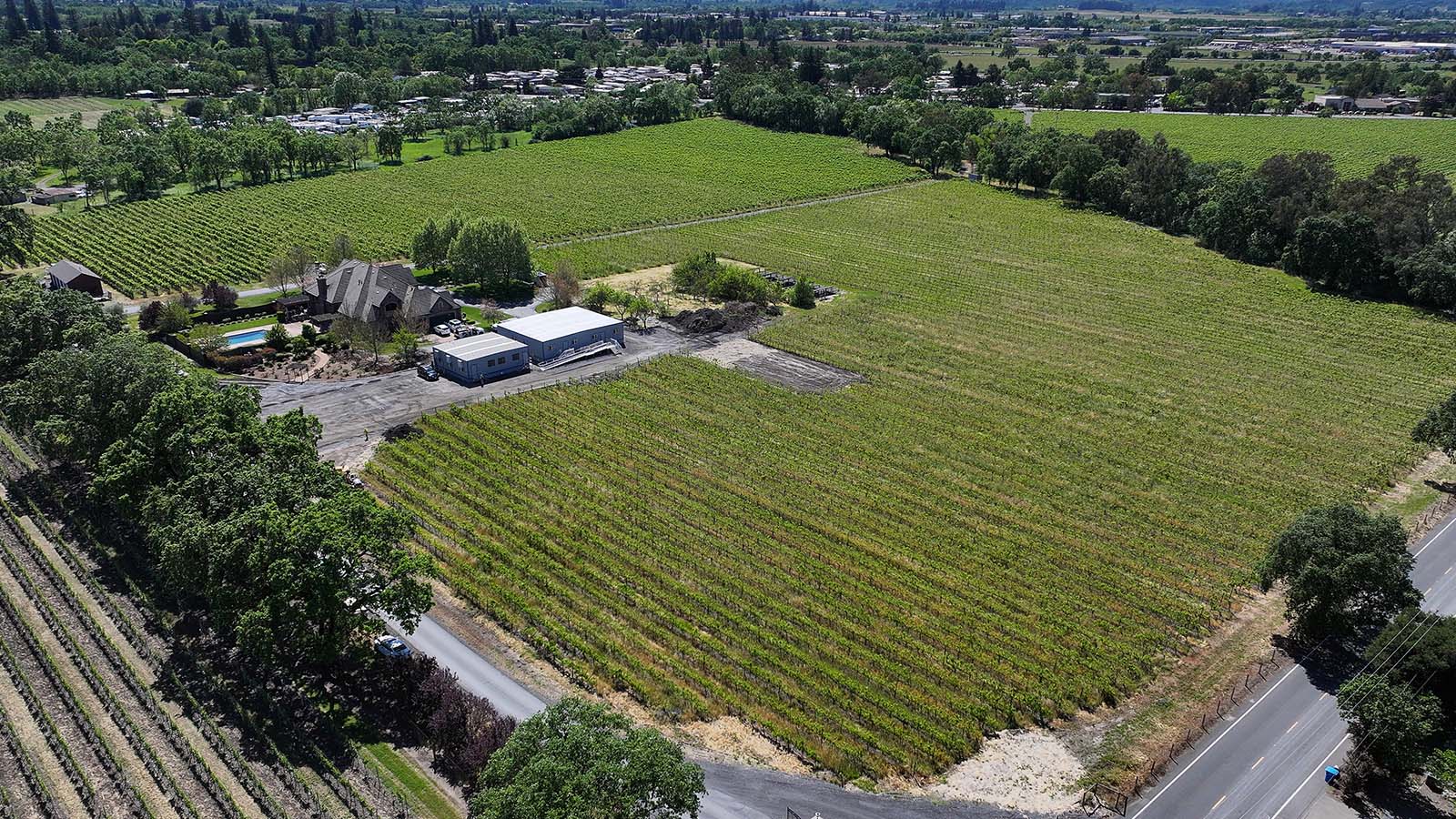
WINDSOR, Calif. The trailers showed up first. In April the Koi Nation hauled equipment onto the 68 acres off East Shiloh Road where it had spent years planning a casino, and said the parcel would now hold its tribal offices. That was the fallback. Weeks earlier the federal government had stripped the same ground of the one thing a casino needs: trust status.
Two of the biggest casino projects proposed anywhere in California are now stuck in the same legal mud. The Koi Nation’s Shiloh Resort near Windsor is blocked. The Scotts Valley Band’s project in Vallejo is frozen. Neither was killed by Sacramento. Both were stopped by a fight among tribes over whose homeland is whose.
What the Koi Nation Wanted to Build
The plan was enormous. The Shiloh Resort was designed for 2,750 slot machines, 105 table games, a 400-room hotel, a ballroom and an event center, with the gambling floor alone running past 530,000 square feet. The cost ran around $600 million. The tribe bought the 68-acre site in 2021 for $12 million and framed it as a way out of generations spent without a land base.
“The Koi Nation has been afforded for the first time in over a century a real opportunity to build a sovereign land base that will provide economic development, self-governance, and a bright future for current and future generations of our tribal citizens,” Chairman Darin Beltran said when the project first cleared, calling the approval a source of promise and hope.
The catch is geography. The Koi trace their roots to the Clear Lake area in Lake County, about 50 miles and a mountain range from Windsor.
How the Land Got Pulled
Gaming under federal law has to sit on land held in trust. Interior agreed to take the Shiloh parcel into trust in January 2025, in the final days of the Biden administration, using the Indian Gaming Regulatory Act’s “restored lands” exception for tribes that regained federal recognition.
It didn’t hold. U.S. District Judge Rita Lin found Interior had broken federal law in approving the application and, in late September 2025, vacated the trust acquisition. Interior took six months to act on the order, formally returning the parcel to fee status on April 2, 2026. The Koi say they will appeal.
“This final judgment secures long-overdue justice for our tribe and reaffirms our sovereign rights,” said Greg Sarris, chairman of the Federated Indians of Graton Rancheria, the tribe that brought the suit.
A Fight Between Tribes, Not With the State
Graton is no bystander. It owns Graton Resort & Casino in Rohnert Park, roughly 11 miles south of the Shiloh site and the largest tribal gaming hall in the Bay Area, and it argued a rival down the highway would drain the revenue that pays for its government, health care and schools.
When Interior first signed off, Sarris called it a travesty and a political move “very carefully timed” to “railroad this through at the 11th hour” before the administration turned over. The Koi hit back. Beltran accused Graton of guarding its own position at the expense of another tribe: “Graton placed keeping its monopoly on gaming above self-determination for other Indian tribes like the Koi Nation.”
The state piled on, too. Gov. Gavin Newsom urged Interior to reject the project, warning that the restored-lands exception was being stretched to drop casinos into “desirable markets” instead of real ancestral homelands. The rules behind all of it sit in California’s broader framework; our guide to California gambling laws lays out where tribal gaming fits.
Scotts Valley’s Vallejo Project Is in the Same Bind
The Koi aren’t alone in this. The Scotts Valley Band of Pomo Indians landed its own trust determination in early 2025 for a roughly $700 million casino in Vallejo, also under the restored-lands exception, and also far from the tribe’s Clear Lake-area homeland. Interior yanked that decision back for review in March 2025.
The opposition reads like a rerun: nearby tribes defending their territory. The Yocha Dehe Wintun Nation, which runs Cache Creek Casino Resort in Yolo County, and the United Auburn Indian Community both sued. Yocha Dehe Chairman Anthony Roberts called Interior’s approval “heartbreaking,” saying the Biden administration spent “its final days approving a mega-project on our sacred Patwin homelands without ever consulting our Tribe.”
A federal judge has since upheld Interior’s authority to take a second look at the Vallejo decision and let Scotts Valley keep chasing it. A final answer isn’t expected until late 2026 or 2027.
What Happens Now
Both tribes are still in it. The Koi plan to appeal the Windsor ruling while their trailers sit on vineyard land they can’t legally use for gaming. Scotts Valley waits on Interior. The restored-lands exception, the legal hinge under both projects, is the exact thing courts and a new administration are now reworking in real time.