
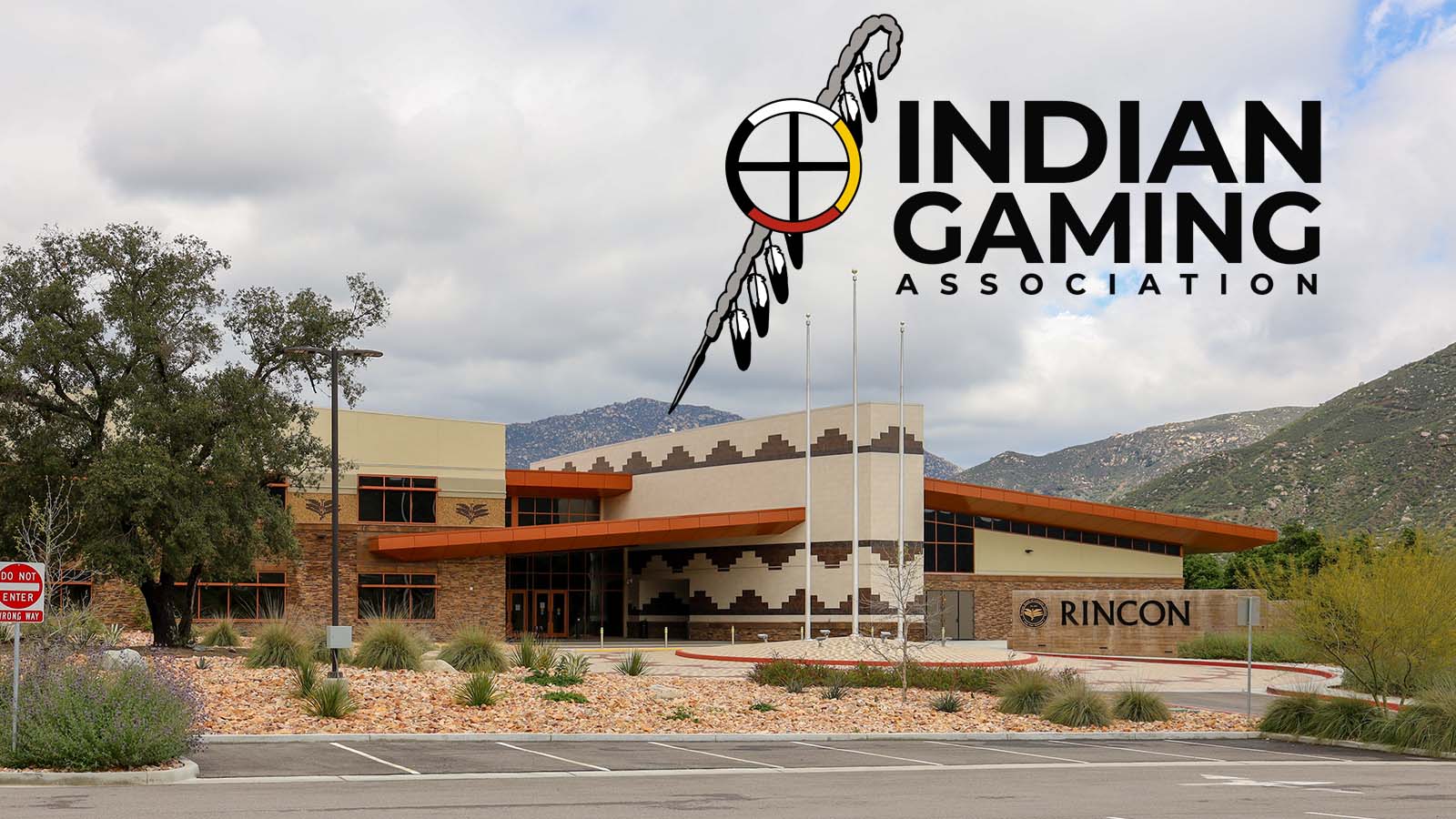
The Indian Gaming Association announced a national legal defense fund at its April convention in San Diego, organized against Kalshi, Polymarket, and the broader prediction-market industry. Tribal gaming generated nearly $44 billion in 2024.
- IGA announced the defense fund at its April 2 convention in San Diego, framed as support for legal actions against prediction-market platforms
- IGA Chair David Bean called prediction markets “unlawful gambling dressed up as finance”
- Tribal gambling enterprises generated approximately $44 billion in fiscal 2024, a record, per the National Indian Gaming Commission
- California tribes are already lead plaintiffs in the largest pending Ninth Circuit prediction-market appeal
SAN DIEGO – Tribal gaming has become the most organized opposition to the rise of prediction markets in U.S. gambling. At the Indian Gaming Association’s annual convention here on April 2, IGA Chair David Bean, a citizen of the Puyallup Tribe of Indians, announced the creation of a national legal defense fund to coordinate litigation against Kalshi, Polymarket, and the broader event-contract industry.
“This is no innovation,” Bean said in his opening remarks. “This is unlawful gambling dressed up as finance.”
The defense fund is the strategic response to a sector that has grown faster than any other corner of U.S. gambling in 2026. Kalshi’s sports event contracts alone produced roughly $305 million in revenue in the first quarter, according to industry estimates. The platform’s valuation sits between $10 billion and $12 billion. Polymarket is similar in scale. Both are licensed by the federal Commodity Futures Trading Commission, not by state gambling regulators.
For tribal casinos, which paid for their position in U.S. gambling through three decades of legislative fights, that federal-only oversight is the threat.
The $44 Billion Industry
The National Indian Gaming Commission reported tribal gaming enterprises generated approximately $44 billion in revenue in fiscal year 2024, a record. The figure is the basis for the defense fund’s clout. Tribal gaming employs roughly 700,000 people across the country. Roughly 250 tribes operate gaming under the Indian Gaming Regulatory Act of 1988.
California is the single largest tribal gaming market in the country. The state’s tribes generated approximately $12.1 billion in gaming revenue in 2023, per the AG’s own economic impact analysis. That is about 27 percent of total U.S. tribal gaming revenue.
The Litigation Front
The defense fund’s most visible action is already in progress. Blue Lake Rancheria, the Chicken Ranch Rancheria of Me-Wuk Indians, and the Picayune Rancheria of the Chukchansi Indians filed suit against Kalshi and Robinhood in the Northern District of California in July 2025. U.S. District Judge Jacqueline Scott Corley denied their preliminary injunction request in November 2025. The tribes appealed to the Ninth Circuit, where oral arguments are scheduled for July.
In a parallel front, the American Gaming Association (the trade group representing commercial casinos) and 27 state attorneys general, led by California, filed amici briefs in support of the tribes on January 24. The cross-industry coalition is unusual. Tribal and commercial gaming interests are typically opposed on issues like sports betting expansion. On prediction markets, they are aligned.
Bean has been explicit about the federal stakes. In remarks before House Agriculture Committee hearings on the CFTC’s authority over event contracts, he warned: “The house will hear from CFTC Chairman Selig, we expect him to continue to claim that federal law prevents tribes and states from enforcing our laws and regulations on prediction markets.” The CFTC has issued no-action letters effectively shielding Kalshi from state-law enforcement. The tribes’ position is that the agency lacks the statutory authority to do that.
A Familiar Playbook
The defense fund is not the tribes’ first organized political fight. In 2022, California tribes spent close to $250 million to defeat Proposition 27, the commercial sports-betting ballot measure backed by DraftKings, FanDuel, and BetMGM. Proposition 27 lost by more than 60 points. Proposition 26, the tribes’ own sports-betting measure, also lost, but the tribes neutralized the commercial threat completely.
Tribal political spending in California has reshaped state-level gaming decisions for two decades. AG Rob Bonta accepted more than $317,000 in tribal contributions during his 2022 campaign, per Los Cerritos Community News reporting. His predecessor, Xavier Becerra, took more than $792,000 from tribal casino interests between 2016 and 2019.
The federal level has been harder. CFTC oversight is not subject to the same election-cycle pressure that state AGs and legislators face. The defense fund is, in part, an acknowledgment that the political model that worked at the state level needs an upgrade for the federal fight.
What’s Next
The Ninth Circuit oral argument in July will be the first major test for the tribes’ legal position. A win, meaning a ruling that the Commodity Exchange Act does not preempt tribal gaming compacts, would create a circuit split with the Third Circuit’s April 6 ruling for Kalshi in KalshiEX, LLC v. Flaherty (No. 25-1922). That kind of split tends to attract Supreme Court review.
The defense fund will be financing that case and others. The fund’s exact size has not been disclosed. Bean has said only that the fund will be “large enough.”
For more on California gambling, including tribal casinos, sportsbooks, and the prediction-market regulatory fight, visit our California gambling laws page.