
- The 2026 World Cup has driven more than $50 billion in trading across prediction platforms, with Polymarket’s tournament-winner market alone passing $4.25 billion, the largest single-event contract in its history.
- Nearly three-quarters of everything traded on Kalshi in June was World Cup action, $22.42 billion of the platform’s record $31 billion month.
- Spain upset France 2-0 in Tuesday’s semifinal and is the new title favorite at roughly -156, with England taking down Argentina on Wednesday.
- The tournament has minted its own legends, including a trader who made $8.47 million in a single day on one match.
- California hosted World Cup matches it would not let anyone legally bet on, and these markets, lawful in the state at 18 and up, became its default sportsbook for the biggest event on earth.
The 2026 World Cup will crown its champion Sunday afternoon at MetLife Stadium, and by any traditional measure, it has already been the biggest betting event in American history.
But the record that matters most was not set at a sportsbook. It was set on the prediction markets, where more money has changed hands on this single tournament than on any event these platforms have ever listed, including the 2024 presidential election that made them famous.
The World Cup did not just visit the prediction-market era. It defined it.
The Numbers Have No Precedent
Across platforms, tournament trading surpassed $50 billion, a figure with no real comparison in the short history of event contracts. Polymarket’s World Cup winner market alone has passed $4.25 billion in volume, making it the largest single-event contract the platform has ever run and helping push its international exchange to a record $10.8 billion month in June.
Kalshi’s numbers tell the same story from the regulated side: of the platform’s record $31 billion in June trading, $22.42 billion was World Cup activity, meaning nearly three of every four dollars on the exchange last month were riding on soccer.
For perspective, researchers earlier this year found the two platforms’ combined monthly volume had already overtaken everything wagered through America’s legal sportsbooks. The World Cup then blew past those numbers.
Why the Money Chose the Exchanges
Part of the answer is structural. A sportsbook bet is a ticket you hold until the final whistle. A prediction-market position is a share you can sell the moment the picture changes, which turns a monthlong tournament into a trading floor. Buy a team early, watch it survive a scare, sell into the rally.
The platforms leaned into the moment, with Polymarket integrating into the Blockchain.com app mid-tournament and Crypto.com listing World Cup contracts of its own.
And the tournament produced its own folk heroes: one Polymarket trader made $8.47 million in a single day, most of it staked on a group-stage draw between Japan and Sweden. Every legend like that recruits the next wave of traders, which is exactly the dynamic that has regulators circling the industry even as the records fall.
The Board Heading Into Sunday
The tournament, meanwhile, delivered a final worthy of the volume. Spain, the team our Spain vs Belgium World Cup odds preview backed in the quarterfinals, beat France 2-0 in Tuesday’s semifinal, a genuine upset given that France had spent the tournament as the market favorite.
Spain now sits at roughly -156 to lift the trophy, having outscored opponents 13-1 across the tournament and stretched its national-team unbeaten run to 36 matches.
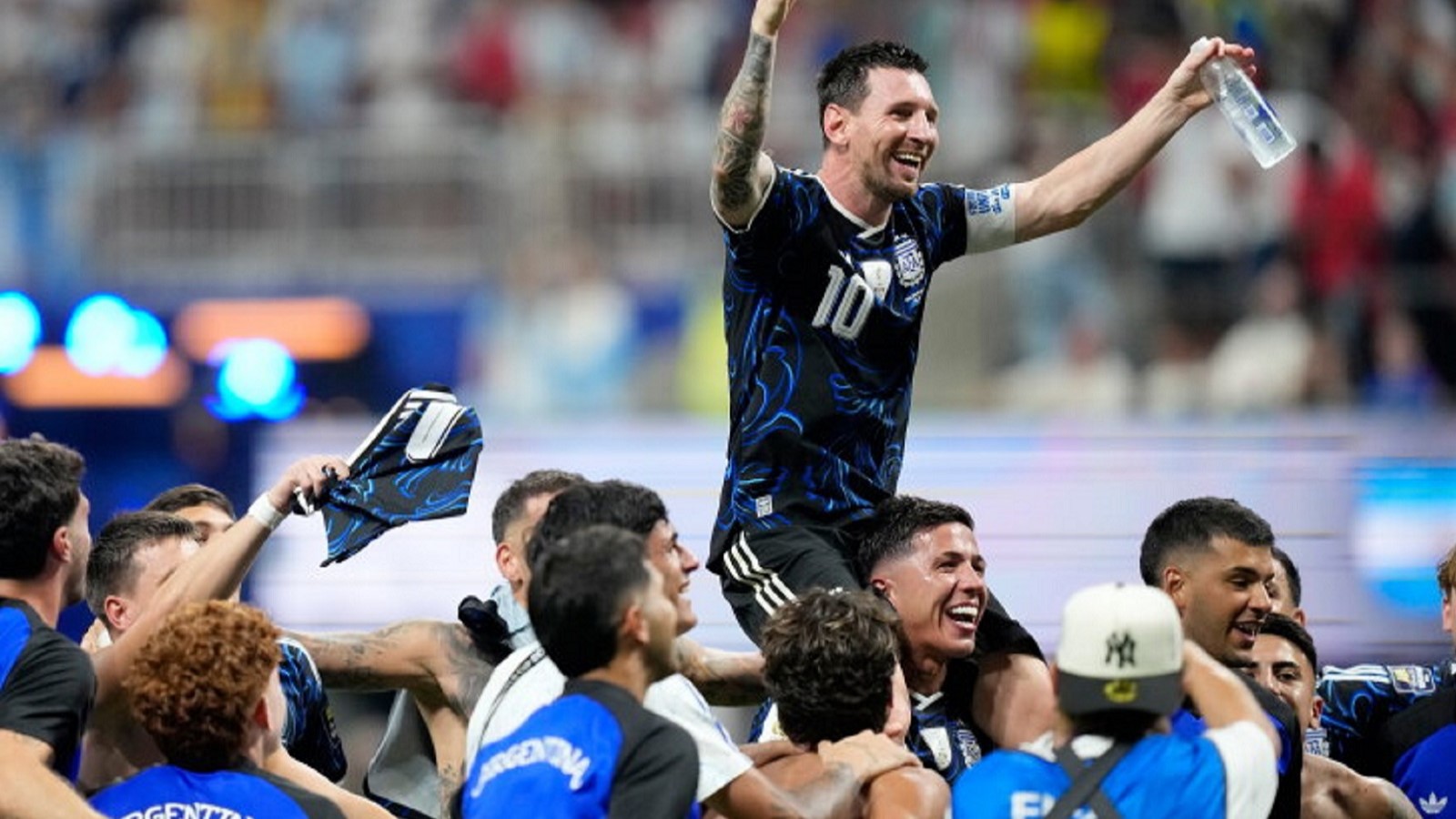
England and Argentina met Wednesday in Atlanta for the other spot, where the books were wrong in pricing England around +290 to win it all as the defending-champion Argentines were near +370.
Traders had spent the week making a France-England final the likeliest ending, and by Wednesday night, traders missed on both accounts.
Sunday at noon in California, the biggest market in prediction-market history finally settles.
California’s Tournament, California’s Loophole
There is a particular irony in how this played out here. California hosted World Cup matches at SoFi Stadium and Levi’s Stadium, packed them with fans, and offered those fans no legal way to bet a dollar on what they were watching, because the state still has no sportsbook and no path to one before 2028.
What Californians did instead is visible in the volume above. Event contracts on California prediction markets trade lawfully in the state at 18 and up under federal oversight, and for one month they became the default sportsbook for the biggest sporting event on the planet, in the biggest state in the country.
Whatever the courts and Congress eventually decide about these platforms, the World Cup settled one question already: when tens of millions of Americans wanted to bet on something and their states said no, the money found the exchange anyway. For everything the state does and does not allow, and where the fight goes next, our guide to California gambling covers the field.