
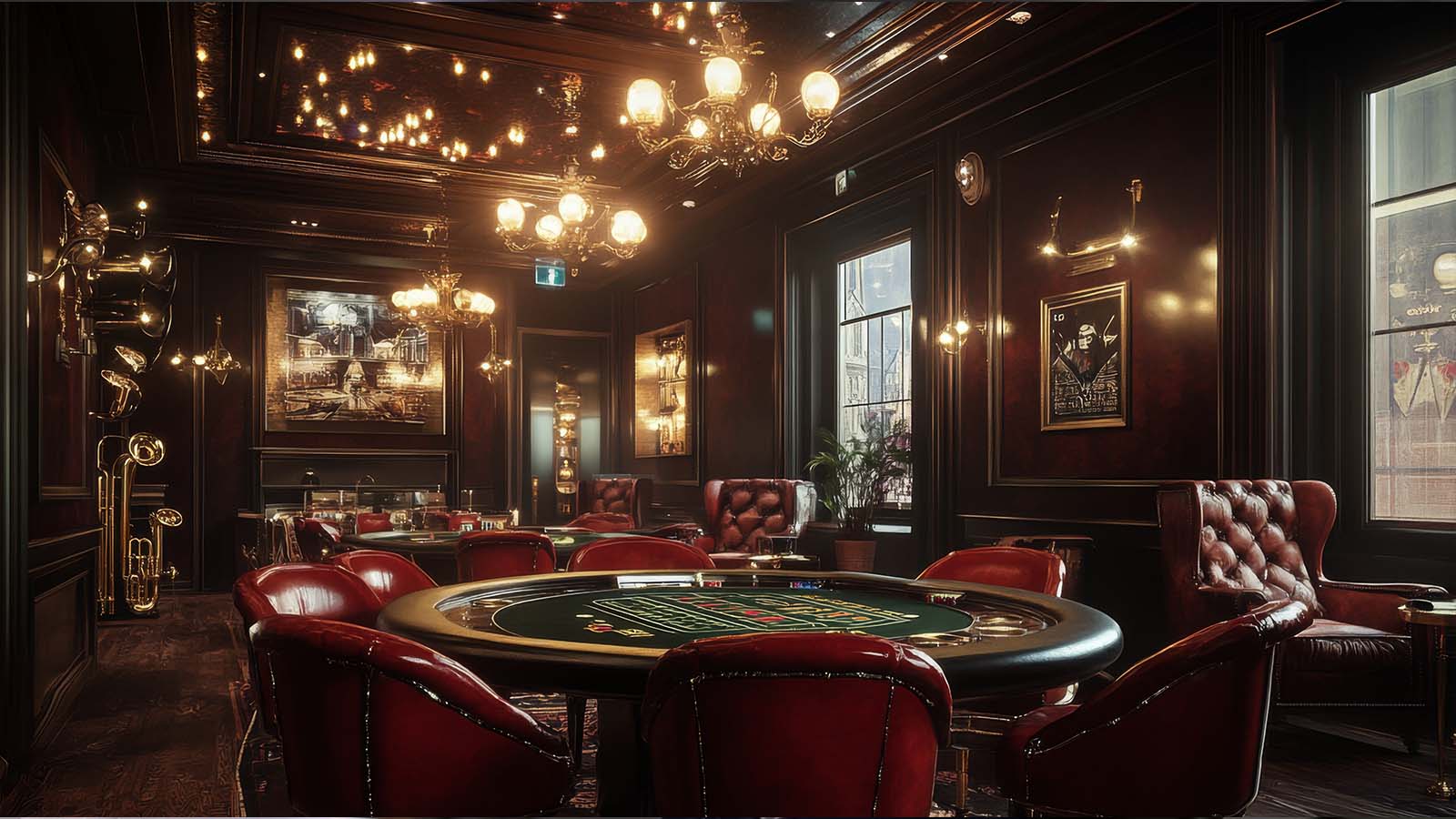
San Jose collects $30 million a year in cardroom taxes. That is roughly what the city spends on parks. The state’s cardroom blackjack ban, currently halted by a judge, would have cut into that revenue immediately.
- Bay 101 and Casino M8trix paid San Jose about $30 million in cardroom taxes in fiscal 2025, per a February 19 letter from the city to AG Bonta
- The city’s own 2021 analysis forecast a $25.7 million annual hit and more than 150 jobs lost if blackjack-style games were eliminated
- San Jose voters approved Measure H in November 2020 to raise the cardroom tax rate from 15 percent to 16.5 percent
- Statewide, cardrooms generate roughly $500 million annually in state and local taxes and support more than 32,000 jobs
SAN JOSE – The clearest answer to what the California cardroom blackjack ban would have cost in real dollars is sitting in a February 19, 2026 letter from this city to Attorney General Rob Bonta. The letter, signed by Emily Lam, Director of San Jose’s Office of Administration, Policy and Intergovernmental Relations, told Bonta that Bay 101 and Casino M8trix together pay the city roughly $30 million a year in cardroom taxes.
The two California cardrooms sit a few miles from each other on San Jose’s north and south sides. Bay 101 has operated since 1995. Casino M8trix opened in 2013 on the license previously held by Garden City Casino. Together they employ several hundred people and run the largest table-game operations between Los Angeles and Sacramento.
San Jose isn’t the only city dependent on cardroom revenue. It’s just the one that put the precise number in writing.
The $30 Million Question
San Jose’s $30 million in cardroom taxes maps to specific services. The city’s most recent annual operating budget runs roughly $1.6 billion in general fund spending. The $30 million represents about 2 percent of that, enough to fund the city’s branch library system or its park maintenance budget twice over.
The cardroom tax has been a deliberate civic strategy for San Jose. In November 2020, voters approved Measure H, which raised the cardroom tax from 15 percent to 16.5 percent and increased the table-count cap. CBS estimated the measure would add about $15 million annually to the city budget. It passed with 56 percent.
What The Ban Would Have Done
A separate, earlier letter from San Jose’s City Manager’s office to the Bureau of Gambling Control, dated February 4, 2021, laid out the financial impact in starker terms. The city forecast that if blackjack-like games were banned, the two cardrooms would lose $25.7 million in annual gaming revenue and shed more than 150 jobs combined.
The 2021 letter also disclosed that the Cardroom Business Tax generated approximately $37.6 million for San Jose across fiscal years 2017-18 and 2018-19, or roughly $18.8 million per year before Measure H’s 2020 tax bump.
San Jose’s tax structure makes blackjack-style games particularly important to the bottom line. Tax revenue grows with gross gaming revenue, and table-game revenue, especially blackjack variants, drives the largest share of cardroom income statewide.
Other Cities Lean Harder
San Jose’s $30 million is the headline number, but it is not the most striking dependency. Bell Gardens, a city of about 41,000 people in southeast Los Angeles County, draws more than $17 million annually from its cardroom taxes. That is over 40 percent of the city’s general fund, according to City Manager Michael O’Kelly. Commerce, Gardena, Hawaiian Gardens, and Colma all carry similar dependencies, though without the dollar-by-dollar public letters San Jose has filed.
A California Gaming Association estimate puts statewide cardroom employment at more than 32,000 jobs, with cardrooms generating roughly $500 million in state and local taxes and supporting over $2.3 billion in economic activity in Los Angeles County alone.
The Asymmetric Math
The numbers cut against the regulatory rationale. The state’s own economic impact analysis on the proposed rules found that California casinos generated $12.1 billion in gambling revenue in 2023, compared to $1.4 billion at cardrooms. Critics of the regulations have pointed out that the AG’s office was effectively transferring revenue from cities like Bell Gardens, Commerce, and San Jose to tribal casinos that already had more than eight times the cardroom industry’s total revenue.
The Standardized Regulatory Impact Assessment published alongside the regulations projected cardrooms would lose roughly $396 million per year under the rules, tribes would gain approximately $198 million, and more than half of California’s cardroom jobs would be eliminated.
What Happens Next In San Jose
Judge Richard Darwin’s May 21 preliminary injunction blocked enforcement of the regulations. The next hearing in California Gaming Association et al. v. Bonta et al. is scheduled for June 30. San Jose is not a party to the case, but the city’s letters are likely to surface in argument as evidence of the local economic damage the rules would cause.
For now, Bay 101 and Casino M8trix continue to operate without changes. The $30 million keeps flowing into the city’s general fund. The case continues.
For more on California gambling, including cardroom listings and the state’s gambling laws, visit our resource pages.