
While Online Betting Stalls, California’s Tribes Are Pouring Billions Into Brick and Mortar
The state won’t have legal sports betting before 2028, but its gaming tribes are not waiting. From Sonoma County to the Central Valley, a building boom is reshaping the market, and not without a fight.
- With online sports betting still illegal in California and no ballot measure expected before 2028, the state’s gaming tribes are investing billions in physical casinos and resorts.
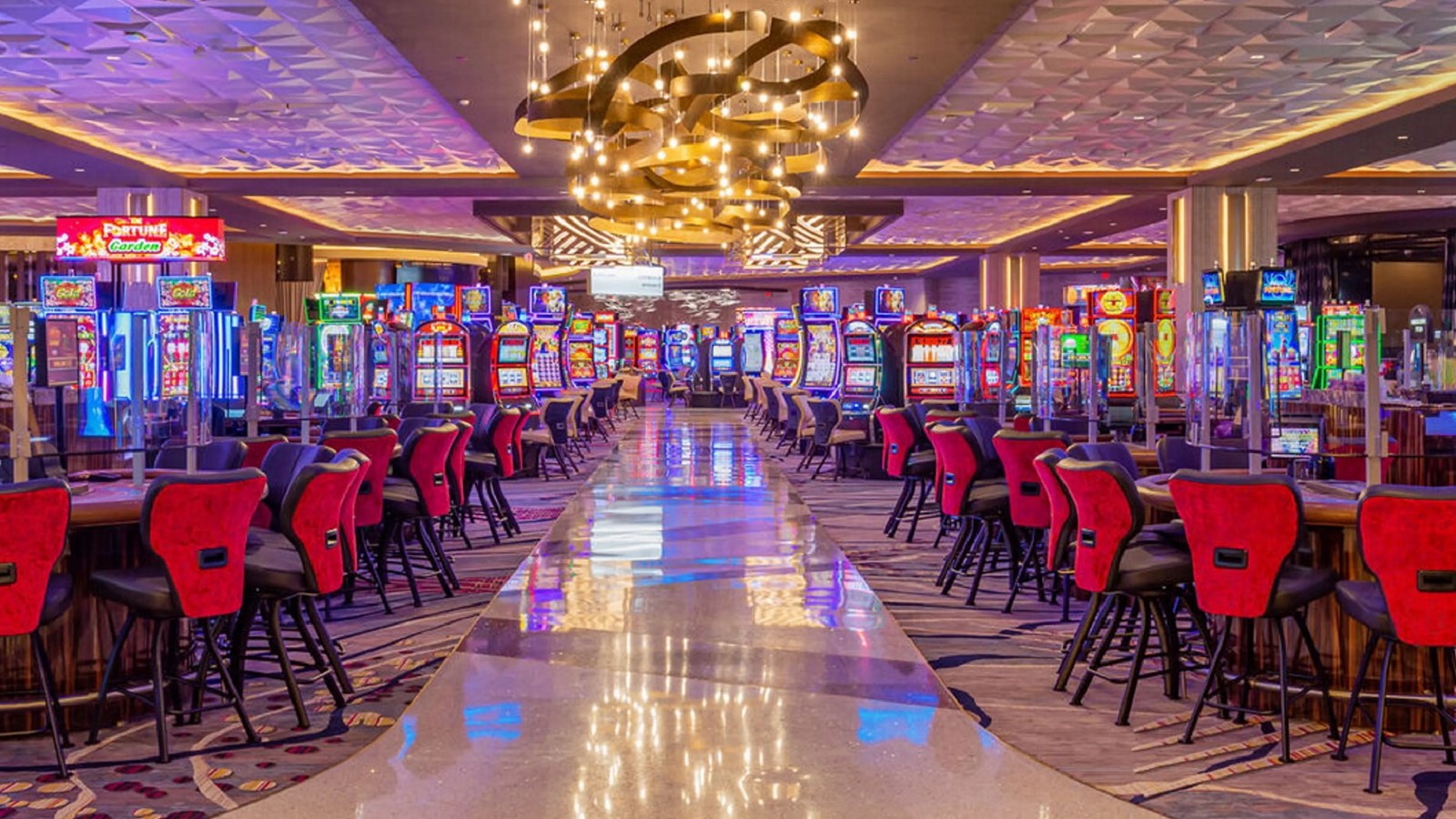
- Graton Resort in Rohnert Park opened the next phase of its $1 billion expansion on May 4, adding a 144,000-square-foot smoke-free floor and nearly 2,000 slot machines.
- The Enterprise Rancheria and Hard Rock have unveiled a $2 billion to $4 billion entertainment and sports district north of Sacramento, set to break ground in 2026 and built largely off tribal land as a taxable commercial venture.
- California already leads the nation in tribal gaming, with an estimated $8.5 billion in annual gaming revenue and about a quarter of all U.S. tribal gaming, while roughly 72 non-gaming tribes share a flat $1.1 million yearly stipend that has not risen since 1999.
- The growth is contested. The North Fork Rancheria is building a $400 million Madera casino even after the California Supreme Court let stand a ruling that the project lacks valid state approval.
California is the strangest big gambling market in America. You cannot legally place an online sports bet anywhere in the state, a limit set by California gambling laws and hardened when voters rejected the idea in 2022, and the tribes who control gaming are not expected to ask again before 2028. Yet drive through Sonoma County or up Highway 99 and the cranes tell a different story. While the online question sits frozen, California’s gaming tribes are spending billions on the one thing no court or ballot can stop them from building: bigger, glossier, brick-and-mortar casinos. The standstill online and the spree on the ground are the same story told two ways.
The Flagship in Rohnert Park
Start in Sonoma County, where the largest of these projects just threw open its doors. On May 4, Graton Resort & Casino in Rohnert Park unveiled the next phase of a $1 billion expansion it has been building since 2023, a 144,000-square-foot gaming floor that is entirely smoke-free and carries nearly 2,000 new slot machines, a rebuilt poker room and a high-limit lounge. The work is not done. A roughly 200-room hotel tower is due in 2027 and a 3,800-seat entertainment hall in 2028. Owned by the Federated Indians of Graton Rancheria, a Coast Miwok and Southern Pomo tribe, the resort has grown into the second-largest employer in the county. Its chairman, Greg Sarris, told the local press there is nothing else like it in this stretch of Northern California.
A Market That Already Dominates
The spending makes sense once you see how far ahead California already sits. The American Gaming Association estimates the state’s tribal casinos add roughly $20 billion to the state’s economy each year and support close to 125,000 jobs, making it the largest tribal gaming state in the country. By the National Indian Gaming Commission’s accounting, tribal gaming set a national record of $41.9 billion in fiscal 2023, and roughly a quarter of that came from California alone. Pure gaming revenue inside the state is harder to pin down, because regulators do not publish a clean California-only figure, but industry analysts put it at around $8.5 billion a year, earned across some 65 California tribal casinos run by more than 60 tribes. No other state is close.
Who the Boom Leaves Behind
That wealth does not spread evenly, and the gap is the quiet tension running beneath the construction. California recognizes 109 tribes, yet only a slice of them sit on land valuable enough to carry a profitable casino. The rest lean on the Revenue Sharing Trust Fund, a state pool fed by the gaming tribes and run by the California Gambling Control Commission. It pays each of about 72 eligible tribes a flat $1.1 million a year, a sum that has not moved since the fund was set up in 1999. So while a handful of well-placed tribes sink a billion dollars into a single property, the tribes without a casino are still working from a stipend frozen for more than a quarter century. That divide has started to spill into public view, with leaders of non-gaming tribes arguing the arrangement showers a fortunate few.
The Boldest Bet: Hard Rock at Fire Mountain
The most ambitious project on the board is barely a casino at all. About 30 miles north of Sacramento, in Yuba County, the Enterprise Rancheria of Estom Yumeka Maidu has joined with Hard Rock to plan a sports and entertainment district on 350 acres next to its existing Hard Rock resort. The cost runs from $2 billion to as much as $4 billion, with groundbreaking set for 2026 and a buildout expected to span roughly a decade across three phases, opening with a retail and dining promenade, then growing into sports venues and eventually agricultural facilities. The twist sits in the tax rolls. Unlike the casino beside it, the new district will rise off tribal land and operate as a commercial business, paying ordinary sales and property taxes to the county. It is a tribe spending casino money to build a taxable enterprise next door, a model that looks nothing like the gaming floor it grew out of.
Where the Boom Runs Into Court
Not every project gets to pour concrete in peace. The North Fork Rancheria of Mono Indians has spent close to two decades trying to open a roughly $400 million casino off Highway 99 near Madera, backed by the Las Vegas operator Station Casinos. This spring it ran into its hardest wall yet. The California Supreme Court declined to hear the tribe’s case, leaving in place an appellate decision that the project lacks valid state approval because voters turned it down in a 2014 referendum. The lawsuit was driven by a rival, the Picayune Rancheria of the Chukchansi Indians, which runs a casino nearby. North Fork’s response was to keep building. The tribe argues that its right to game on federal trust land answers to federal law rather than the state courts, and it points to federal approvals from 2012 and 2016 that survived their own challenges. Construction is pressing toward an opening later in 2026, which sets up a rare, direct standoff between a state-court loss and federal authority, playing out in steel and drywall beside the highway.
And More Is Coming
The rest of the pipeline is just as busy, and just as contested. The Scotts Valley Band of Pomo Indians won federal approval for a roughly $700 million casino in Vallejo in early 2025, only to watch the Interior Department walk the decision back and reopen it, leaving the project in limbo amid lawsuits from neighboring tribes. The Wilton Rancheria’s Sky River in Elk Grove, opened in 2022 with Boyd Gaming, is adding on. And the Koi Nation is pushing a project near Windsor that faces its own battle over land. The pattern repeats across nearly every one of them. With the online market locked behind a ballot box the tribes will not approach until 2028 at the soonest, the safe money is flowing into casinos a visitor can actually walk into. The buildings are climbing precisely because the apps cannot. For the wider picture of what the state does and does not permit, our guide to California gambling maps the whole landscape.