
Voters, judges, regulators: for years the state’s most powerful gaming interest has thrown everything at its only in-state competitors and come up empty. After the June 30 ruling, five doors remain open, and none of them is easy.
- A San Francisco judge’s June 30 ruling striking down the state’s cardroom regulations is the latest in an unbroken string of tribal defeats spanning the courts, the ballot box, the Legislature and the regulators.
- The streak is striking because of who is losing: California’s casino tribes took in an estimated $12.1 billion in 2023 against the cardrooms’ $1.4 billion, and have given current legislators far more money than any rival gaming interest.
- The tribes’ remaining paths run through an appeal, the California Gambling Control Commission, a bill in the Legislature, their own unresolved legal claims, and the 2028 ballot.
- Each option carries a cost, from years of delay to the political risk of asking voters to take a side after the cardroom industry unseated three lawmakers in 2024.
- The one thing the June 30 decision did not do is settle whether cardroom blackjack is legal, which means the war itself is nowhere near over.
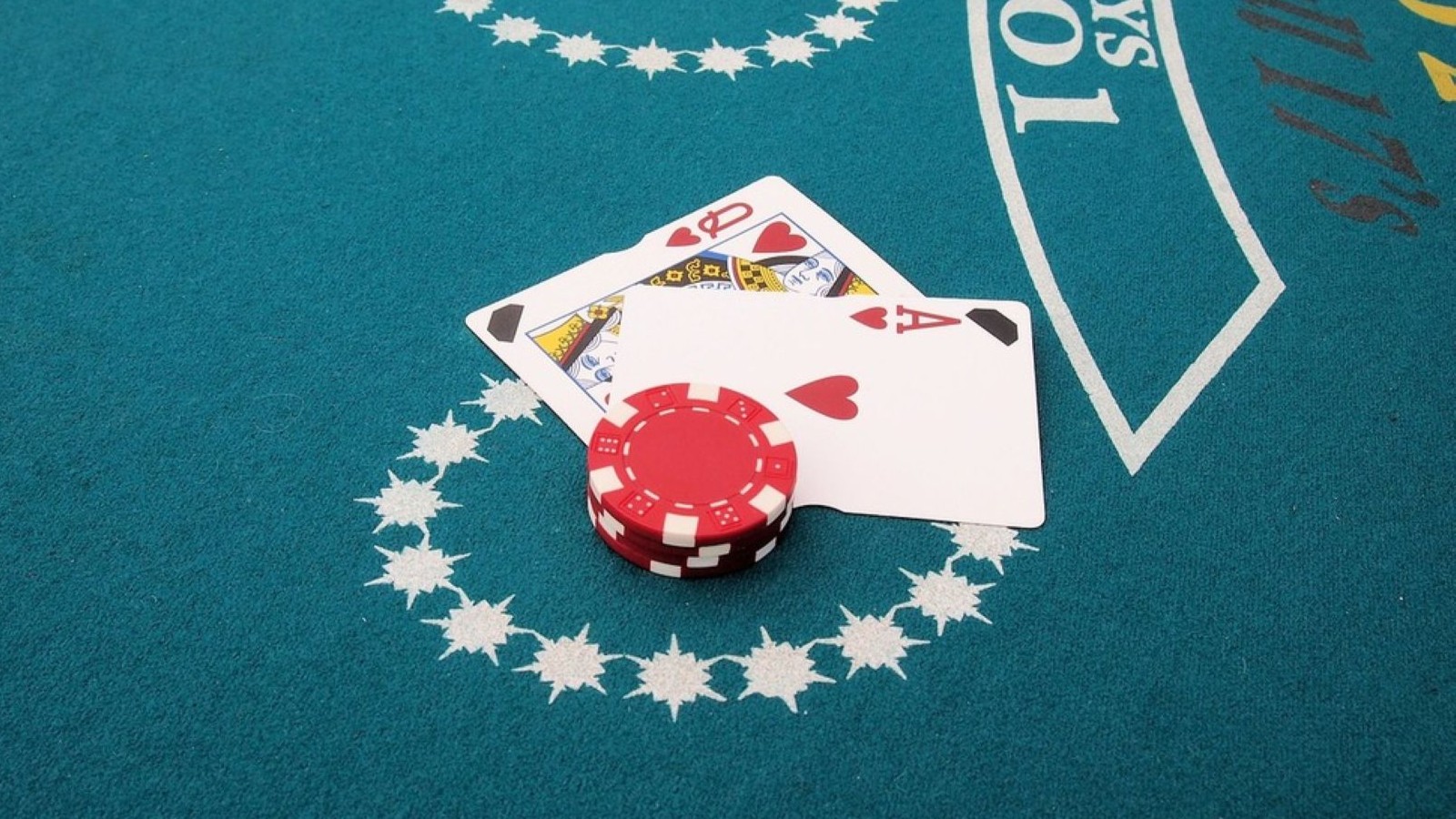
SACRAMENTO — In most fights over gambling money, the side with $12 billion beats the side with $1 billion. California keeps refusing to follow the script. On June 30, a San Francisco judge threw out the state regulations that would have gutted blackjack-style games at California’s cardrooms, handing the state’s casino-owning tribes their latest defeat in a campaign that has now failed in front of every audience that matters: voters, trial judges, lawmakers and regulators. The tribes are the wealthiest and most politically generous gaming interest in the state, and they keep losing to an industry a fraction of their size. The question after this ruling is not whether the tribes will keep fighting. It is which door they try next, because five remain open, and every one of them has a catch.
How Deep the Losing Streak Runs
Consider the full ledger. In 2022, the tribes’ sports betting measure and its rival went down in the most expensive ballot fight in American history. In 2024 they won a consolation prize, a law called SB 549 granting them a one-time right to sue the cardrooms, only to watch a Sacramento judge dismiss the suit in late 2025 on federal preemption grounds. Their attempt to shut down prediction-market operator Kalshi failed that same fall when a federal judge declined an injunction. Then came the boldest stroke: regulations from Attorney General Rob Bonta’s Bureau of Gambling Control that would have banned blackjack-style games outright. On June 30, Judge Richard Darwin struck those down too, ruling the bureau never had the authority to impose statewide restrictions on games cardrooms have offered for decades. As CalMatters put it, the tribes have spent years and tens of millions pressing courts, voters, the Legislature and regulators to push their only in-state competitors out of the blackjack business, and none of it has stuck.
The paradox is the scale. An economic analysis published alongside the regulations put tribal casino revenue at $12.1 billion in 2023 against $1.4 billion for the cardrooms. The tribes hold the constitutional monopoly on house-banked games that voters granted through Proposition 1A in 2000, one of the pillars of California gambling laws, and they have given sitting legislators several times what the cardroom industry has. Money and legal position like that usually converts into wins. Here it keeps colliding with two stubborn obstacles: procedure, because each tribal vehicle so far has been thrown out on authority or preemption grounds rather than on the merits, and the political radioactivity of gambling votes, which no statewide official wants to own.
Door One: Appeal
The most obvious move is also the slowest. Bonta’s office said it was disappointed and is reviewing its options, and an appeal of the Darwin ruling would keep the regulatory strategy alive. But appellate courts take years, the cardrooms deal blackjack the entire time, and the tribes would be betting on a higher court finding rulemaking power that a trial judge said plainly is not in the statute. Even a win returns them only to where February left off, regulations on paper and litigation over their bite.
The Commission the Judge Pointed At
Buried in the ruling is a roadmap. Darwin’s problem was not with restricting cardroom games; it was with who did the restricting. The Legislature, he found, lodged rulemaking power over gambling with the California Gambling Control Commission, not with the bureau inside the attorney general’s Department of Justice. That invites an obvious sequel: persuade the commission to adopt what the bureau could not. The commission moves slowly and has historically left game-rule policing to the bureau, so this path means starting a multi-year rulemaking from scratch, but it is the one route the June 30 decision arguably blessed rather than blocked.
The Legislature, Where the Money Meets Its Limits
The cleanest fix for the tribes has always been a statute. A bill declaring the cardroom versions of blackjack unlawful would moot every authority question at once. The problem is what happened the last time lawmakers touched this fight. After SB 549 passed in 2024, the cardroom industry spent more than $3 million against four legislators who backed it, and three of them, including the bill’s author, lost their seats. Members noticed. However lopsided the contribution ledger runs in the tribes’ favor, a legislator weighing a vote now knows the cardrooms are willing to spend to end careers, and that the cities that live on cardroom taxes will supply the campaign ads. Tribal money buys access in Sacramento. It has not yet bought this vote.
The Claims Nobody Has Ruled On
The quietest option may be the most important. For all the litigation, no court has ever decided the core question of whether the cardrooms’ player-dealer blackjack actually violates the tribes’ exclusive rights. The SB 549 case died on preemption. The Darwin ruling turned on agency authority. The tribes’ own constitutional and statutory arguments are still sitting there, unresolved, and the June 30 decision does not prevent them from pressing those claims through other vehicles. If the tribes can find a procedural door that stays open, they would finally get the merits fight they have been denied for a decade, the one fight where their Proposition 1A monopoly is the strongest card in the deck.
Door Five: 2028, the Biggest Table of All
Then there is the ballot. The tribes are already expected to return to voters in 2028 with a sports betting measure, and nothing stops them from folding cardroom language into it, the way their 2022 measure carried a right to sue cardrooms alongside its sportsbook provisions. The appeal of one grand bargain is obvious: settle sports betting, prediction markets and the cardroom question in a single stroke, with the full weight of the war chest behind it. The risk is just as obvious, because bundling made the 2022 measure a bigger target, and the cardroom cities proved they can mobilize. Voters have now rejected tribal gaming measures once and watched the state lose in court twice. Asking them to referee this feud again is the highest-stakes wager available to the tribes who own California tribal casinos, and it may also be the only one that ends the war rather than extending it.
The Fight That Refuses to End
Strip it down and the situation is almost elegant. The California card rooms have won every round without ever proving their games are legal. The tribes have lost every round without ever losing on the merits. That is why nobody involved treats June 30 as a peace treaty. It settled who cannot ban blackjack in California, and left entirely open who can, a question that now belongs to an appellate court, a commission, the Legislature or four million ballots, whichever door the tribes push first. For the full landscape while the fight drags on, our guide to California gambling covers every corner of it.