
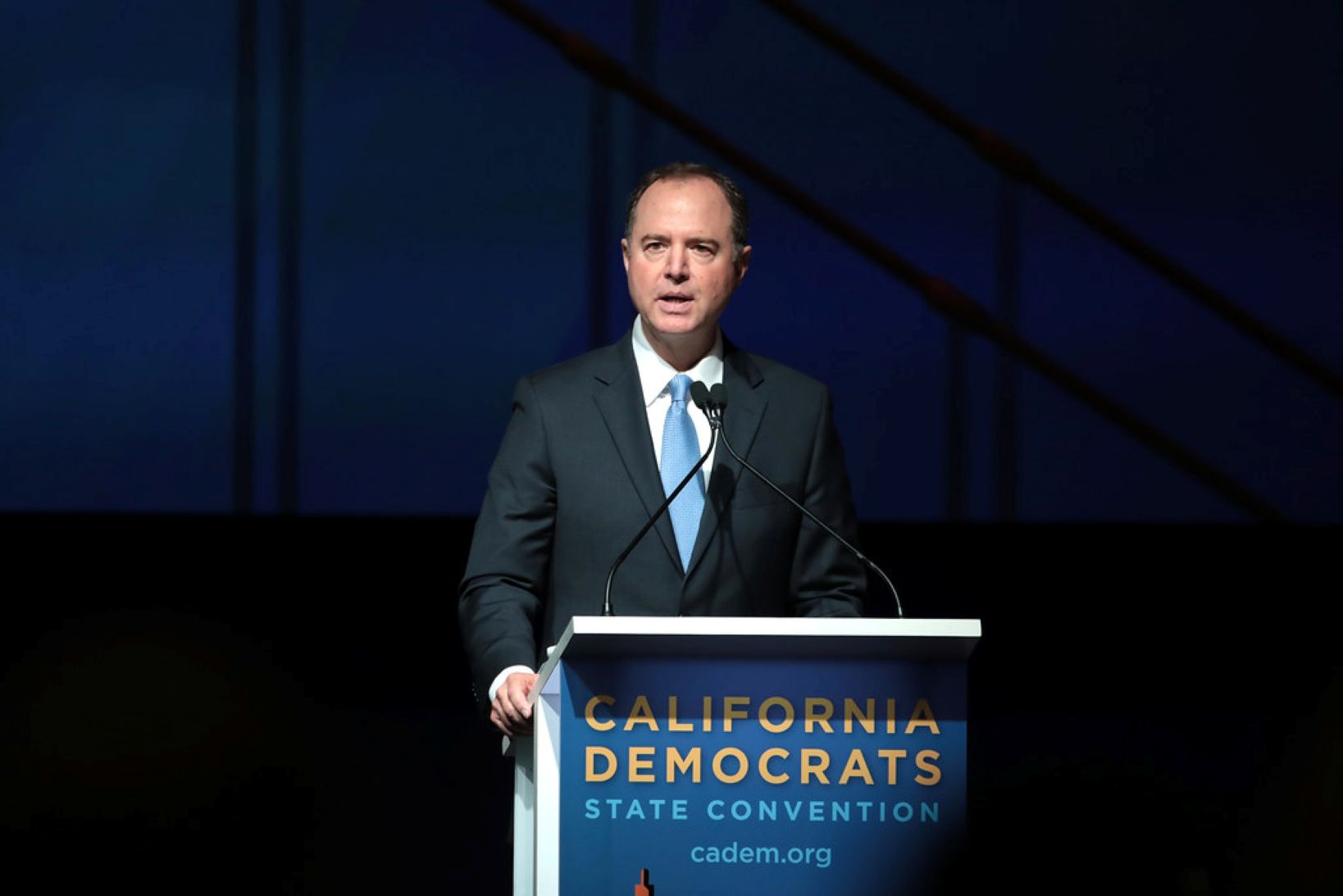
A Wall Street Journal investigation found Polymarket paid young influencers to fake winning bets. Now Adam Schiff wants the federal regulator to explain why these apps aren’t treated like the casinos they resemble.
- A Wall Street Journal investigation found Polymarket paid mostly college-age influencers to post videos of fake winning bets, part of a campaign of more than 1,100 videos depicting about $1.9 million in wagers that were never real.
- California Sen. Adam Schiff and Utah Sen. John Curtis have given the federal regulator until July 10 to explain whether it is investigating, arguing the “free money” marketing makes prediction markets indistinguishable from gambling.
- Prediction markets like Polymarket and Kalshi are California’s de facto sportsbook, open to anyone 18 or older because they answer to a federal agency rather than state gambling law.
- The platforms are reportedly under an ongoing federal investigation, though analysts doubt the current regulator, down to a single commissioner, will bring a major case.
- Because the markets are federally regulated, California cannot touch how they advertise to its residents, leaving its senator in Washington as the state’s main line of defense.
WASHINGTON — The videos looked like easy money. A young person films a phone screen, taps a few times on what appears to be the Polymarket app, and cashes out a winning bet worth hundreds or thousands of dollars, as if it were nothing. The clips pulled in millions of views. There was only one problem, according to a Wall Street Journal investigation: the bets were fake. Now a United States senator from California is demanding the federal government explain how that kind of marketing is legal, and why the apps behind it should not be treated as what he says they plainly are, gambling.
What the Journal Found
The reporting is specific and damning. The Journal reviewed more than 1,100 promotional videos tied to Polymarket’s marketing operation and found that roughly 70% showed a creator placing a bet, with the depicted wagers adding up to about $1.9 million, and 118 clips showing creators winning some $900,000. None of it was real. The creators, many of them college-age, were reportedly paid $2000 – $3,000 a month to film staged trades on dummy websites built to look like the live platform, and were told not to mention that Polymarket was paying them. Had those 118 winning bets been placed with real money, the Journal calculated, the creators would have lost more than $166,000. The campaign ran from December 2025 into the spring.
A California Senator Steps In
That is where California enters the story. Sen. Adam Schiff, joined by Utah Republican John Curtis, sent a letter to the head of the federal regulator that oversees these platforms, the Commodity Futures Trading Commission, giving it until July 10 to say whether it is investigating. The senators did not soften it. With influencers routinely portraying prediction markets as “free money,” they wrote, there is little basis for treating them any differently from gambling. They pressed the agency on whether operators may legally use fake websites and staged trades in advertising, what consumer protections apply to prediction-market marketing and age verification, and whether the commission means to protect the state and tribal authority that governs California prediction markets and every other form of gambling in the country. Their sharpest line questioned the regulator itself, arguing the commission is neither enforcing the law properly nor equipped to serve as a federal gambling regulator.
Why This Is a California Problem
For readers here, this is not a distant Washington squabble. Because California has no legal sportsbook, prediction markets have quietly become the state’s de facto one. Anyone in California who wants to stake money on a game, an election or a news event can open Polymarket or Kalshi and do it today, legally, at 18 rather than the 21 required to gamble, because these platforms answer to a federal commodities regulator instead of California gambling laws. That federal shield is the whole ballgame. It is why the state’s tribes and its attorney general have repeatedly failed to rein the platforms in, and it is why a “free money” campaign aimed at young people can run in California with no state advertising rules, age-verification standards or responsible-gambling requirements attached. The state cannot regulate how these apps market to its own residents. Its main voice in the fight is the senator it sends to Washington.
The Catch
There is reason to doubt anything comes of it. Prediction markets have exploded into a business measured in billions of dollars a month, and Polymarket, valued at around $9 billion, only just won a federal license in January to reenter a US market it had been banned from since 2022. The commission is reportedly already running an extensive investigation into the company. But the agency is unusually weak at the moment, down to a single commissioner after shedding about a quarter of its staff, and its posture has drifted from policing prediction markets toward embracing them. Legal experts told Fortune the likeliest consequence is not a federal crackdown but private lawsuits from bettors who lost money believing the hype, and at least one such suit has already been filed. There is also an awkward political wrinkle: the president’s son is a paid adviser to one major prediction market and an investor in another.
The Bigger Question
Strip away the specifics and the fight comes down to a single question that keeps trailing these platforms. Are they markets, or are they casinos? The operators insist they are financial exchanges where users trade contracts on future events, a world away from a sportsbook. Their critics, now including a bipartisan pair of senators, argue that a product sold to young people as free money through fake winning videos is a betting app wearing a suit. How that question gets answered will shape far more than one company’s advertising budget. It will decide whether the platforms that became California’s shadow sportsbook ever face the rules that bind everyone else in the state’s gambling market. For where these markets sit in the current landscape, our guide to California gambling lays it out.