
As well-timed bets on war and politics piled up on Kalshi and Polymarket, California moved to keep its own officials from cashing in. Three more governors did the same within weeks.
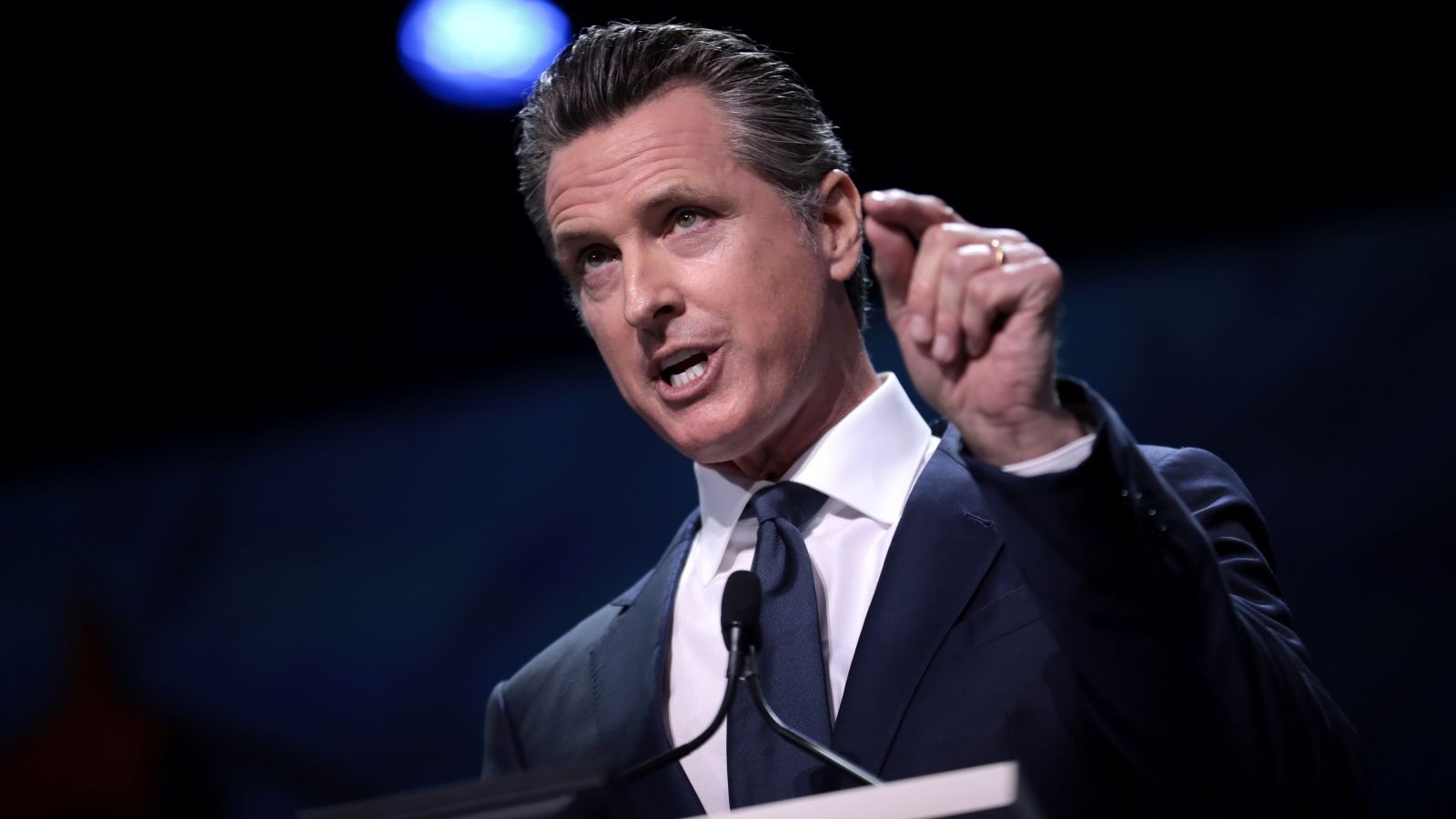
- Gov. Gavin Newsom signed an executive order in late March 2026 barring California’s gubernatorial appointees from using nonpublic information to profit, or to help others profit, on prediction markets like Kalshi and Polymarket.
- The order builds on existing state ethics rules and extends the ban to the spouses, children, relatives and business partners of appointees.
- Newsom was not alone. The governors of New York, Maryland and North Carolina issued similar orders within weeks, all Democrats casting the move as an anti-corruption contrast with Trump’s Washington.
- The orders followed reports of suspiciously well-timed bets on federal actions, including a Polymarket trader who made about $400,000 on the ouster of Venezuela’s president and accounts that won millions on the timing of Iran war developments.
- The orders reach only government employees, because the markets themselves answer to the federal CFTC rather than the states, leaving governors little other leverage.
SACRAMENTO – There was money to be made on the worst news of the year. As the federal government weighed military strikes and other high-stakes moves, traders on Kalshi and Polymarket were placing sharply timed bets on exactly when those events would land, and some were winning fortunes. The pattern raised an obvious and uncomfortable question. What if the people placing the bets were the same people who knew, in advance, what the government was about to do? In late March, Gov. Gavin Newsom decided California would not wait to find out. He signed an executive order barring his own appointees from trading on prediction markets with inside information. And over the following weeks, he turned out to be only the first of several governors to do it.
What Newsom’s Order Does
The order is narrow by design. It does not ban prediction markets, which California has no power to outlaw, and it does not stop appointees from trading on them as ordinary users. What it forbids is the use of confidential or nonpublic information picked up through a state job to profit on those markets, or to help anyone else profit. The prohibition reaches past the appointees themselves to cover spouses, children, other relatives and business partners, closing the obvious workaround of slipping a tip to a family member. It builds on ethics rules California already applies to state officials and extends them to a new arena: a market where a user can buy a contract on a war, an election or a federal policy decision, the kind of wagering that sits well outside the reach of California gambling laws. Newsom framed it as a deliberate contrast with what he called the insider profiteering of Trump’s Washington, saying California was drawing “a bright line” against that kind of corruption.
Why Now
The timing was not random. Prediction markets exploded over the past year, with an estimated $63.5 billion traded in 2025, and the headlines that came with the boom were alarming. One Polymarket trader made roughly $400,000 in January by correctly calling the ouster of Venezuela’s president. A cluster of connected accounts later reportedly won millions on the timing of Iran war developments, and a soldier was criminally charged over trades tied to a sensitive military operation. When a member of Congress posted a screenshot of users wagering on when a downed airman would be rescued, the platform yanked the market, but the hit to public confidence had already landed. The White House warned its own staff against placing such bets. The thread running through every episode was the same worry: that someone holding secret government knowledge could quietly turn it into cash on a public exchange.
He Wasn’t the Only Governor
This is the part that turns a California story into a national one. Newsom moved early, but he did not move alone. Within weeks, three more governors signed orders doing much the same thing. In New York, Gov. Kathy Hochul issued what her office billed as a nation-leading order banning state employees from insider trading on prediction markets, building on the state’s existing code of ethics. Maryland’s Gov. Wes Moore signed an order in April barring state employees from betting on the markets with information they gained at work. And in North Carolina, Gov. Josh Stein followed with an order of his own, calling it a natural extension of the state’s ethics act while stressing he had no reason to believe any state employee was actually doing it. The shared pattern is hard to miss. All four are Democrats, all four leaned on existing ethics law rather than new authority, and all four set the move against a federal government they accused of looking the other way. For a group of governors widely seen as weighing national ambitions, planting a flag on corruption was also shrewd politics.
The Limits of What a Governor Can Do
What none of these orders can touch is the markets themselves. Platforms like Kalshi and Polymarket are regulated by the federal Commodity Futures Trading Commission, not by the states, and the agency has fought hard to keep it that way, even suing states that tried to assert their own authority. California ran into that wall firsthand when its tribes failed to shut down California prediction markets operator Kalshi in court. That federal shield is exactly why the governors reached for the one lever they plainly control: the conduct of their own workforce. A state cannot stop a market from listing a contract on a government decision, but it can tell the official who makes that decision that cashing in on it is a fireable offense. Whether the orders ever produce a single enforcement case is almost beside the point. Each one is a marker, a way for a state to declare that betting public knowledge for private gain is corruption, even when the bet is placed on a platform the state cannot reach. For the wider picture of how a state with no legal sportsbook ended up ringed by these markets, our guide to California gambling lays out the landscape.